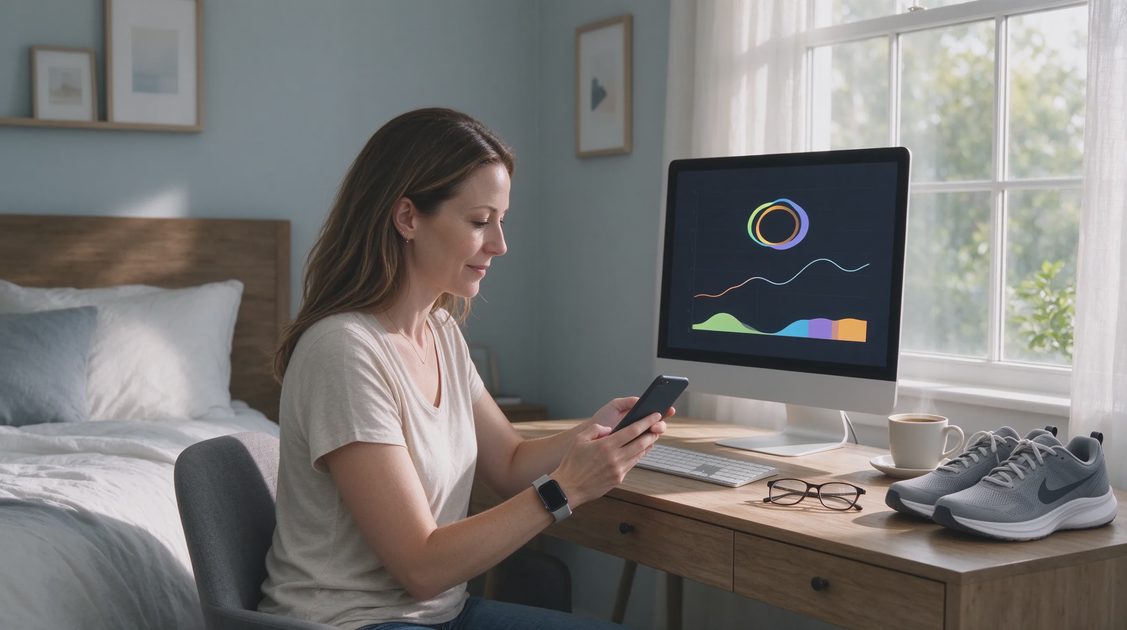
The market is designed to make the next device feel like the missing piece. A more accurate sensor, a new recovery algorithm, a sleeker ring, a longer battery, a prettier dashboard—each upgrade promises clearer data and, by implication, better results. Sometimes the promise is partly true. Often the real limitation was never the hardware. It was the absence of a few consistent behaviors that no sensor can supply.
I have watched people cycle through devices while the underlying patterns—late screens, irregular bedtimes, long sedentary stretches, skipped daylight—remained unchanged. The new numbers looked different. The days felt largely the same. The money and the attention spent on the upgrade would have produced more benefit if directed at the routine itself.
Before you buy, run a short and honest diagnostic. The goal is not to never upgrade. The goal is to upgrade only when the device is the actual bottleneck, and to strengthen the routine when the routine is the bottleneck.
Separate Data Limitations from Behavior Limitations
Most dissatisfaction with current tracking falls into one of two categories.
When the device is genuinely limited
If your current tracker cannot reliably estimate total sleep time, fails to capture movement you know you are doing, or produces recovery numbers that bear no relationship to how you feel after several weeks of comparison, then a hardware or algorithm limitation may be real. In those cases a thoughtful upgrade can reduce frustration. The key is that the limitation has been observed across time and compared against lived experience, not that a single disappointing score triggered the desire for something new.
When the routine is the actual constraint
If the data is directionally reasonable but the days still feel depleted, the more common problem is behavioral. Inconsistent bedtimes, low morning light, long evening screen sessions, irregular meals, or the absence of any recovery practice will not be solved by a more precise sensor. A new device will simply measure the same patterns with slightly different numbers. The discomfort that feels like “I need better data” is often “I need more supportive daily structure.”
How to tell the difference in practice
Look at the past month. List the changes you actually made because of the current device’s data. If the list is short or empty, more precise data is unlikely to produce different behavior. Then list the routine elements that have been inconsistent. If that list is long, the higher-leverage investment is almost always in stabilizing one or two of those elements rather than in new hardware.
Questions to Ask Before Any Upgrade Purchase
A short set of questions can prevent most unnecessary acquisitions.
What specific decision will the new device enable that the current one cannot?
If you cannot name a concrete decision—protecting bedtime on certain nights, adjusting workout intensity, noticing a multi-day trend—then the upgrade is likely solving a feeling rather than a functional gap. Feelings of dissatisfaction are real; they are not always best addressed by a purchase.
Have I already extracted the useful value from the current device?
Many people use only a fraction of the features they already own. Before buying new capabilities, spend two weeks deliberately using the simplest useful metrics on the present device with clear boundaries. If that experiment produces better decisions, the upgrade may be unnecessary. If it does not, you have clearer information about what is actually missing.
Is the desire for a new device strongest when motivation is lowest?
The urge to upgrade often spikes during dips in energy or consistency. A new device feels like a fresh start. In those moments the more effective intervention is usually a one-change weekly reset or a short pause on detailed tracking, not a shopping cart. Buying during a low-motivation period frequently leads to another device that is used intensely for three weeks and then neglected.
Strengthening the Routine Instead of the Hardware
When the diagnostic points to behavior, focus there with the same seriousness you would bring to a purchase decision.
Choose one high-leverage routine element and stabilize it for three weeks
Examples: a consistent wind-down start time, ten minutes of morning daylight, a daily short walk after lunch, screens out of the bedroom. Run the single change long enough to feel its effect. The improvement in energy or sleep quality from one stabilized element often exceeds the improvement from a hardware upgrade.
Use the current device only to support that one element
If you are stabilizing bedtime, glance at sleep timing once a day or once a week. Ignore everything else. The device becomes a narrow support for a specific behavior rather than a comprehensive evaluation system. This limited use often restores a healthier relationship with the existing hardware.
Measure success by lived experience, not by the attractiveness of new features
After three weeks, ask how the days feel. More stable energy, easier mornings, fewer late-night negotiations with yourself—these are the outcomes that matter. If they have improved, the routine was the higher-leverage investment. If they have not, you still have cleaner information for deciding whether hardware is the remaining constraint.
When an Upgrade Does Make Sense
There are legitimate cases for new devices.
The current hardware is failing or unsupported
Battery degradation, broken sensors, or discontinued app support are practical reasons to replace a device. In those cases choose the simplest tool that covers the few metrics you have already proven useful rather than the one with the longest feature list.
A specific new capability maps to a decision you are ready to make
If continuous heart-rate data during exercise, a more comfortable form factor, or a particular integration will enable an action you are prepared to take consistently, the upgrade can be justified. The mapping from capability to decision should be clear before money is spent.
You have already stabilized the basic routines
When sleep timing, daylight, movement, and evening boundaries are reasonably consistent, additional precision can sometimes refine decisions further. Upgrading from a stable foundation is more likely to produce benefit than upgrading in search of a foundation the device cannot provide.
The market will always offer a newer, more comprehensive device. Your attention and money are limited. Spend them first on the daily practices that no sensor can replace. Use the diagnostic questions to separate the desire for novelty from the need for capability. Strengthen the routine when the routine is the bottleneck. Upgrade only when the device is the bottleneck. Let the data inform the decision. Never let the promise of better data distract you from the practices that actually shape your days.


Letters
No letters yet — be the first to write.